


How to Cook Everything We Deliver
Thawing, doneness temperatures, and exact cooking steps for every steak, chop, filet, and chef-made dish on our menu. Find your item below and you'll be at the table in minutes.
Step 1: Thaw Safely
Everything we deliver is vacuum sealed and quick frozen at peak quality. How you thaw it makes a real difference in the final result.
Refrigerator (best)
- Move it from freezer to fridge the night before. Most steaks, chops, and fish filets thaw in 12 to 24 hours.
- Leave it in the sealed package on a plate to catch any drips.
- Steaks and chops: take them out 20 to 30 minutes before cooking so they cook evenly. Season them now.
Cold water (faster)
- Keep the package sealed and submerge it in cold tap water. Change the water every 30 minutes.
- Filets and steaks usually thaw in about 1 hour. Cook right away.
- Argentine Red Shrimp: put them in a colander under cold running water for 5 to 10 minutes.
Cook from frozen
- All chef-made crab cakes, pies, Beef Wellington, meatloaf, meatballs, satay, tarts, biscuits, and Lobster Mac & Cheese.
- They are designed to go straight into the oven. Do not thaw them first.
Never do this
- Don't thaw on the counter or in hot water.
- Don't refreeze shrimp, seared ahi, or king crab once thawed.
- Don't microwave-thaw steaks or fish. It starts cooking the edges.
Steak Doneness Chart
Take your steak off the heat about 5°F before your target. It keeps cooking while it rests. Insert the thermometer sideways into the thickest part, away from the bone.
The USDA recommends cooking whole cuts of beef and pork to 145°F with a 3-minute rest. Rare and medium rare are chef preferences that fall below that guideline.
Beef
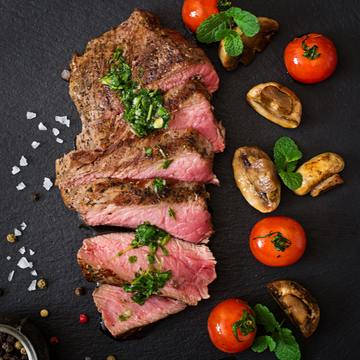
Thaw, bring to room temperature for 20 to 30 minutes, season, cook hot, and rest at least 5 minutes before slicing.
Filet Mignon
Grill, broil, or pan sear
- Grill
- Medium-high
- Time
- 4–5 min per side
- Broil
- 5–7 min per side
- Pull at (MR)
- 125–130°F
- Pan sear option: Heat the oven to 400°F. Sear in olive oil over medium-high heat for 1 minute per side.
- Move the pan to the oven and finish for 6 to 8 minutes for medium rare, flipping once.
Filet is lean. Don't cook it past medium or it loses its signature tenderness.
Filet Mignon – Bone In
2.5 oz each, 4 per pack
- Method
- Very hot grill
- Heat
- 550–600°F
- Rare
- 1–2 min per side
- Medium rare
- Add ~30 sec per side
Let them sit out 15 to 30 minutes before grilling. Serve them by the bone as a finger-food appetizer.
Spinalis Steak – Rib Eye Cap
8 oz, best at medium rare
- Method
- Preheated grill
- Heat
- 550–600°F
- Time
- 3½–5 min per side
- Rest
- 5–10 min
Cook this one to medium rare. Rare spinalis is chewier because the fat hasn't rendered. It also plumps up as it cooks, so don't be surprised.
Rib Eye Filet – Heart of the Eye
8 oz, heavily marbled
- Method
- High-heat grill
- Heat
- 550–600°F
- Medium rare
- ~4 min per side
- Pull at (MR)
- 125–130°F
Flip it several times while cooking for an even crust. Adjust time up or down for your preferred doneness.
Rib Eye – Drop Cut
12 oz, thin and fast
- Method
- Hot grill or pan
- Heat
- High
- Time
- 90–120 sec per side
- Thaw
- Fast
This cut is thinner than a standard rib eye, so it goes from perfect to overdone quickly. Stay by the grill.
Tomahawk Rib Eye
Extra thick, bone-in. Use the reverse sear method.
- Stage 1
- Low heat 250–275°F
- Until
- 115–120°F inside
- Stage 2
- Very hot sear
- Sear
- 1–2 min per side
- Season generously. Cook on the cool side of the grill (or in a 250°F oven) until the center reads 115 to 120°F. This usually takes 45 to 60 minutes.
- Sear over the hottest part of the grill or in a cast-iron pan until crusted, then rest 10 minutes and slice off the bone.
Wrap the exposed bone in foil so it doesn't char.
Burgers – Chuck, Brisket & Short Rib
8 oz patties, 2 per pack
- Method
- Grill
- Heat
- Medium to hot
- Time
- 4–6 min per side
- Done at
- 160°F
Thaw overnight in the fridge. Season just before grilling and flip only once for the best crust.
Hot Dogs – Pure Angus Beef
Grill, steam, or simmer
- Grill
- Medium, turning often
- Simmer
- Until hot through
- Time
- 5–7 min
- Serve at
- 165°F / steaming
Keep the heat moderate so the casing snaps instead of splitting.
Pork
Our heritage pork is meant to be served juicy with a blush of pink. Sear hot, finish gently, and pull at 140°F.
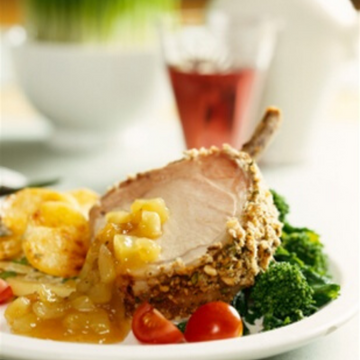
Duroc Pork Rib Eye Chop – Bone In
14 oz, thick cut
- Sear
- High, ~2 min per side
- Finish
- Medium, 4–5 min per side
- Pull at
- 140°F
- Serve at
- 145–150°F
Watch for flare-ups during the sear. Move the chop off direct heat to finish if the grill runs hot.
Pork Spinalis – Kurobuta Berkshire
10–13 oz caps, 3 per pack
- Sear
- High, 2 min per side
- Finish
- Low, 3–4 min per side
- Pull at
- 140°F
- Serve at
- 145°F after rest
Leave the thin fat layer on. It bastes the meat as it cooks. Your favorite steak seasoning works great here.
Poultry & Foie Gras
Chicken is always cooked to 165°F. Check the thickest part.
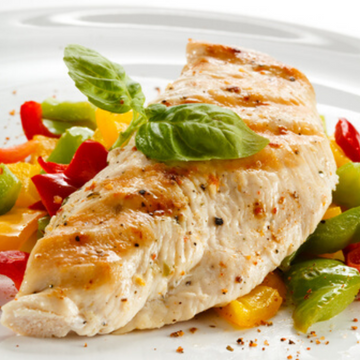
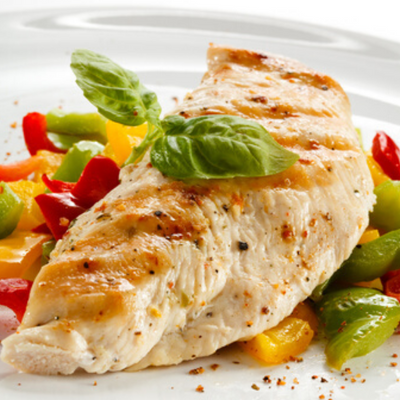
Chicken Breasts – North Carolina
8 oz, air chilled
- Oven
- 450°F, ~20 min
- Grill
- Med-high, 3–4 min per side
- Flip
- Once
- Done at
- 165°F
A light coat of olive oil before seasoning keeps the surface from sticking and helps it brown.
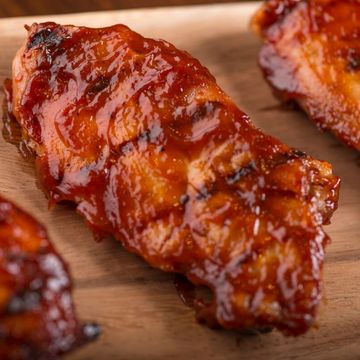
Chicken Wings – Frenched
5 lb block, bake or air fry
- Air fryer
- 380°F, 18–22 min
- Oven
- 400°F, 35–45 min
- Flip / shake
- Halfway
- Done at
- 165°F+
- Thaw the block in the fridge, separate the wings, and pat them very dry.
- Toss with oil and seasoning. Cook in a single layer on a rack.
- Toss in sauce after cooking, not before, so the skin stays crisp.
Wings are safe at 165°F, but they get even more tender and crisp at 175 to 185°F.
Turkey Ribs
All white meat, just reheat
- Grill
- 3–4 min per side
- Oven
- 350°F, 15–20 min
- In pouch
- Boil 10 min per lb
- Heat to
- 165–175°F
- Thaw overnight in the fridge. For best flavor, marinate in sauce or rub overnight.
- Warm on the grill and baste with sauce. You can also broil (5 to 6 min per side) or smoke.
- Microwave option: slit each pouch first, heat 5 to 6 min, then sauce and grill for marks.
Turkey dries out faster than pork ribs. Keep grilled ribs warm in a pot of warm sauce.
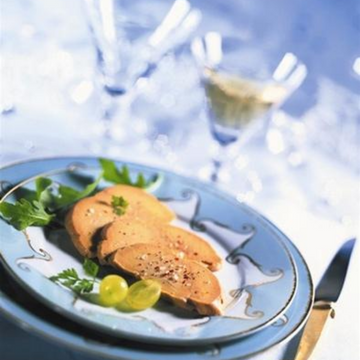
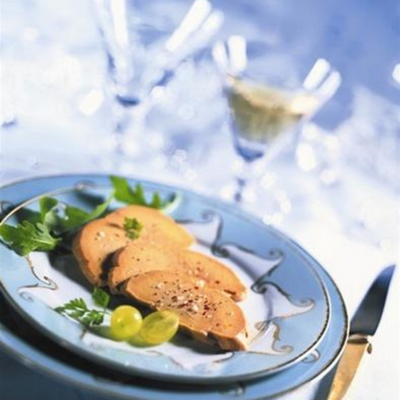
Duck Foie Gras Slices
2 oz slices, sear only
- Pan
- Very hot, dry
- Oil
- None needed
- Time
- 30–60 sec per side
- Serve
- Immediately
Thaw in the fridge and keep the slices cold until they hit the pan. Foie gras renders fast, so pull it the moment it turns golden.
Seafood
Fish is done when it turns opaque and flakes easily with a fork, or reaches 145°F. All of our filets are boneless, skinless, and ready to cook out of the package.
Chilean Sea Bass
8 oz, wild caught
- Method
- Pan sauté
- First side
- Med-high, 4–5 min
- Finish
- Low, covered 8–10 min
- Done
- Flakes easily
- Heat 1 Tbsp butter with a little oil so the butter doesn't burn. Sear until golden.
- Flip. Brush with coarse-grain mustard, season, and top with a thin layer of Italian breadcrumbs.
- Turn the heat to low, cover, and cook until the thickest part flakes.
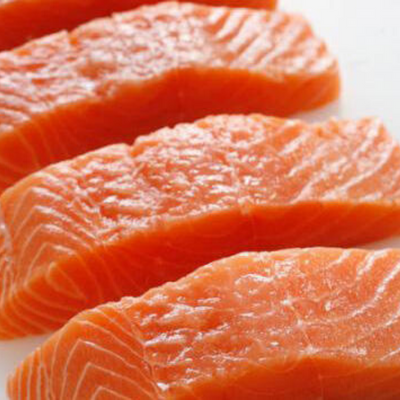
Norwegian Salmon
6 oz filets
- Method
- Grill
- Marinate
- Overnight
- Time
- 4–6 min per side
- Done at
- 145°F
House bourbon marinade:
- ¼ cup Worcestershire, 2 Tbsp bourbon, 2 Tbsp brown sugar
- Juice of 1 lemon, ¼ tsp garlic powder, ¼ tsp black pepper
Keto tartar sauce: ½ cup mayo, 2 Tbsp diced dill pickle, ½ Tbsp onion powder, 1 tsp lemon juice, 1 tsp dill weed.
Grouper Filets
8 oz center cut, wild caught
- Grill
- Med-high, 3–4 min per side
- Bake
- 350°F, 8–10 min
- Sauté
- 3–4 min + 2–3 covered
- Done
- Flakes with a fork
- Bake: Top with butter, lemon juice, garlic, salt, pepper, and paprika.
- Sauté: Sear in butter and olive oil, flip, add your sauce, then cover on low so it thickens and glazes the filet.
Oil the grates well. Grouper is delicate and releases on its own when it's ready to turn.
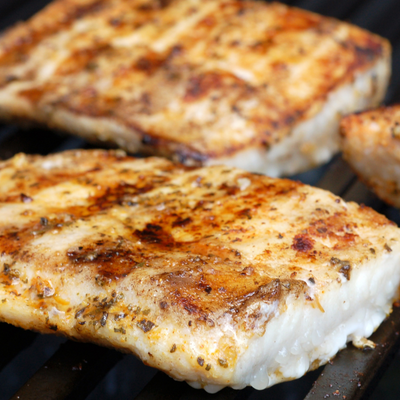
Mahi Mahi
8 oz, wild caught
- Method
- Grill
- Heat
- Medium-high
- Time
- 3–4 min per side
- Marinate
- 15+ min
Firm enough to broil, bake, poach, or pan fry too. It's done when lightly browned and it flakes with a fork.
Argentine Red Shrimp
13/15 count, peeled and deveined
- Thaw
- Cold running water 5–10 min
- Method
- Sauté in olive oil
- Heat
- Medium-high
- Done
- Opaque, slightly curled
These are naturally red even when raw, so go by texture, not color. They cook faster than regular shrimp. Pull them the moment they turn opaque.
King Crab Merus Meat
Shell-free, super colossal
- Thaw
- Fridge overnight
- Best served
- Chilled
- With
- Warm drawn butter
- Use within
- 2 days
If you prefer it warm, heat it gently just until warm through. Overheating makes king crab tough.
Sushi-Grade Tuna
Serve raw, seared, or straight from the package. Always thaw in the refrigerator and keep it cold until serving.
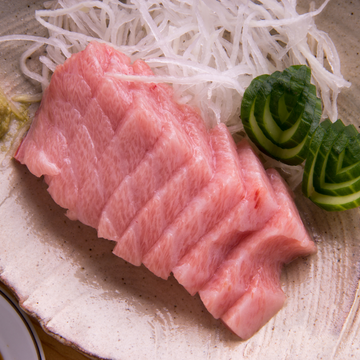
Toro – Fatty Tuna
Whole piece, about 2–2.5 lbs
- Portion
- While still frozen
- Thaw
- Fridge, in package
- Sashimi
- Slice thin, across grain
- Sear
- Very hot pan, briefly
Cut only what you'll serve and keep the rest frozen. A sharp, long knife in one smooth pull gives the cleanest slices.
Yellowfin Tuna – AAA Saku Loin
14–18 oz center-cut loin
- Raw
- Thaw and slice
- Sear
- ~30 sec per side
- Heat
- Smoking-hot pan
- Eat within
- 2 days of thawing
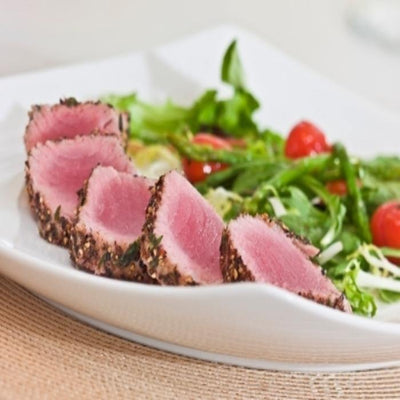
For a classic sear, coat in sesame seeds or cracked pepper, sear every side, then slice. The center should stay ruby red.
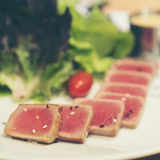
Ahi Tuna – Seared & Sliced
3 oz, pre-seared and sliced
- Prep
- Thaw and serve
- Thaw
- Fridge, 38°F or below
- Use within
- 1 day
- Refreeze
- No
Remove it from the package before thawing. It thaws in minutes and is perfect for unexpected guests.
Eating raw or undercooked seafood may increase your risk of foodborne illness, especially if you have certain medical conditions.
Chef-Made Dishes: Bake From Frozen
Made by our local Atlanta chef. No thawing needed. Preheat the oven, use a greased or parchment-lined sheet pan, and check the internal temperature before serving. Ovens vary, so start checking a few minutes early.
| Dish | Oven | Time | Finish | Done at |
|---|---|---|---|---|
| Crab Cakes – Premium Lump | 400°F | 18 min | Pat of butter, broil 1–2 min | 165°F |
| Shrimp & Crab Cakes | 400°F | 18 min | Pat of butter, broil 1–2 min | 165°F |
| Lobster Cakes – Boothbay | 400°F | 18 min | Pat of butter, broil 1–2 min | 165°F |
| Salmon Cakes | 400°F | 18 min | Pat of butter, broil 1–2 min | 165°F |
| Shrimp & Grits Cakes | 400°F | 18 min | Pat of butter, broil ~2 min | 165°F |
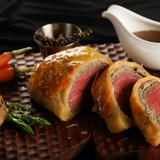
| Beef Wellington | 375°F | ~50 min | Rest 5 min | 160°F |
| Kobe Meatloaf (32 oz) | 350°F | ~1 hr | Rest 5 min | 160°F |
| Lobster Mac & Cheese | 350°F | 45–55 min | Rest 5 min, bake in its own pan | 165°F |
| Chicken Pie (feeds 4–6) | 350°F | ~65 min | Golden crust | 165°F |
| Beef Pie (feeds 4–6) | 350°F | ~65 min | Golden crust | 165°F |
| Bacon-Wrapped Blue Cheese Meatballs | 350°F | 12–14 min | Broil 3–4 min until bacon crisps | 160°F |
| Thai Chicken Satay | 375°F | 12–14 min | Serve with peanut sauce | 165°F |
| French Toast Tarts | 350°F | 14–16 min | Warm maple syrup | 160°F |
| Sausage & Cheddar Biscuits | 375°F | 18–20 min convection, ~25 min regular | Golden brown. Don't microwave. | 165°F |
Broiling goes fast. Stay at the oven and pull cakes and meatballs as soon as they're golden.
Peanut dipping sauce for the Thai Chicken Satay
Whisk ½ cup unsweetened peanut butter, 4 Tbsp zero-sugar maple syrup, 3 Tbsp soy sauce, 2 Tbsp lemon juice, 1 Tbsp lime juice, and ¾ tsp fresh grated ginger. Thin with about 2 Tbsp water.
Safe Minimum Internal Temperatures
These are the official food safety guidelines from FoodSafety.gov (USDA). Measure in the thickest part of the food with a food thermometer.
| Food | Minimum temperature | Rest time |
|---|---|---|
| Beef, pork, veal, lamb (steaks, chops, roasts) | 145°F | 3 minutes |
| Ground beef, pork, veal, lamb (burgers, meatloaf, meatballs) | 160°F | None |
| All poultry (breasts, wings, whole birds, ground) | 165°F | None |
| Fin fish (salmon, grouper, mahi, sea bass) | 145°F | Or until opaque and flaky |
| Shrimp, lobster, crab | Cook until flesh is pearly and opaque | None |
| Egg dishes | 160°F | None |
| Casseroles, pies, and leftovers | 165°F | None |
| Hot dogs and fully cooked sausages | 165°F | Or steaming hot |
Source: FoodSafety.gov Safe Minimum Internal Temperature Chart.
Storage & Shelf Life
Keep everything frozen at 0°F until you're ready to use it. Once thawed, the clock starts.
| Item | Freezer | After thawing (fridge) |
|---|---|---|
| Steaks, chops, burgers | 6–9 months | Steaks and chops 3–5 days, burgers 1–2 days |
| Chicken, wings, fish filets | 6–9 months | 1–2 days |
| Sushi-grade yellowfin | 6–9 months | Within 2 days |
| Seared & sliced ahi | 6–9 months | Within 1 day, do not refreeze |
| Argentine red shrimp | 3–4 months | Cook right away, do not refreeze |
| King crab merus | 12–14 months | Within 2 days, do not refreeze |
| Duck foie gras | 9–12 months | Keep cold, cook soon after thawing |
| Chef-made cakes, Wellington, meatloaf, meatballs, satay, tarts | 2–3 months | Bake from frozen |
| Chef-made pies and sausage biscuits | 3–4 months | Bake from frozen |
| Lobster Mac & Cheese, hot dogs | 6–9 months | Bake or heat from frozen |
Cooking FAQ
Quick answers to the questions we hear most.
Can I cook steaks straight from frozen?
You can, but you'll get the best results by thawing overnight in the fridge. Thawed steaks cook evenly and form a better crust. If you're short on time, use the cold water method, which takes about an hour for most steaks.
Why should steaks sit out before cooking?
Letting a thawed steak sit at room temperature for 20 to 30 minutes takes the chill off the center, so the outside doesn't overcook before the inside is done. It's also the perfect time to season.
Why do I need to rest meat after cooking?
The temperature keeps climbing about 5°F after you pull it off the heat, and the juices settle back into the meat. Cut too early and those juices end up on the cutting board.
What thermometer should I use?
A digital instant-read thermometer. Insert it into the thickest part of the meat from the side, away from bone and fat, for an accurate reading.
Do I need to thaw the chef-made crab cakes, pies, or Beef Wellington?
No. All of our chef-made dishes are made to bake straight from frozen. Thawing them first can make the pastry soggy and the cakes fall apart.
Can I eat the yellowfin or toro raw?
Yes. Our AAA yellowfin saku and toro are sashimi grade and frozen at sea to preserve quality. Thaw them in the refrigerator, keep them cold, and serve within the recommended time.
What if I have a question about cooking something?
Call or text us at (678) 777-6081. We're happy to walk you through it.
Ready for your next order?
Premium steaks, seafood, and chef-made dishes delivered to your door across Woodstock and the Atlanta area.