


How to buy seafood you can serve raw at home, and why the best of it is frozen at sea.
"Sashimi grade" is on a lot of labels, but it isn't an official government grade. Here is what to look for, how the cuts of tuna differ and how we source seafood you can serve raw with confidence.
What "sashimi grade" actually means
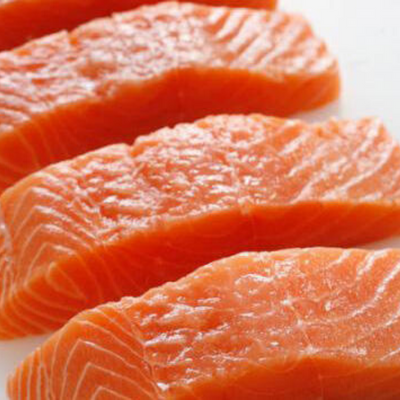
No FDA or USDA grade is called "sashimi grade" or "sushi grade." Sellers use the term for their highest-quality fish that is handled so it can be eaten raw. Whether it lives up to the label depends on three things:
- Species and quality: firm, bright, well-handled fish from a reputable supplier.
- Cold chain: frozen quickly and kept frozen, with no thaw-and-refreeze cycles.
- Parasite control: FDA food code requires most fish served raw to be frozen first (for example, to −4°F for 7 days, or −31°F for 15 hours). Yellowfin, bigeye, bluefin and Atlantic tuna are exempt because they are low risk.

Akami, chutoro and otoro
Sushi chefs grade tuna by fat content. The further down the belly you go, the richer and more buttery the fish gets.
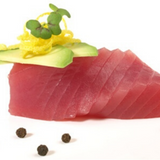
Akami
The deep red loin meat. Clean, meaty flavor with a firm texture. Our AAA yellowfin saku is a prime example.
Chutoro
The belly section between the loin and the fattiest cut. Pink and marbled, with both richness and tuna flavor. Many sushi fans consider it the best balance.
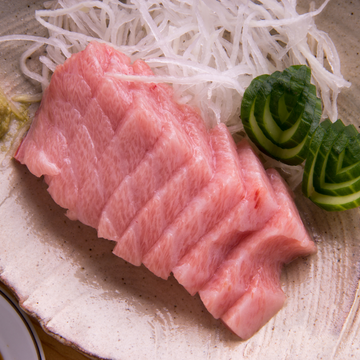
Otoro
The fattiest part of the belly. Pale pink, heavily marbled and melts on your tongue. The cut chefs save for their best guests.
Our toro is a whole piece of tuna belly, about 2 to 2.5 lb, super frozen at sea. It includes the rich chutoro and otoro sections and can be portioned while frozen. Supply is limited, so check availability or call (678) 777-6081.
Why we only buy frozen-at-sea seafood
Frozen within hours
Fish is frozen on the boat, often within hours of the catch, before it can lose quality on the trip to shore.
Super-low temperatures
Premium tuna is "super frozen" at extremely low temperatures, which keeps its color and texture intact.
Sealed individually
Each portion is commercially cryovac sealed and quick frozen to lock in freshness and prevent contamination.
Same source as top restaurants
We buy from the largest and most reputable restaurant distributors in the country.
Built for sushi night and beyond

Toro (Fatty Tuna)
Buttery belly for sashimi, nigiri or a quick sear. About 2–2.5 lb. Fresh toro is available by request.
Shop now →AAA Yellowfin Saku
A center-cut loin, line caught and flash frozen at sea. Slice for sashimi or poke, or sear it rare.
Shop now →
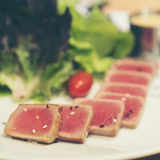
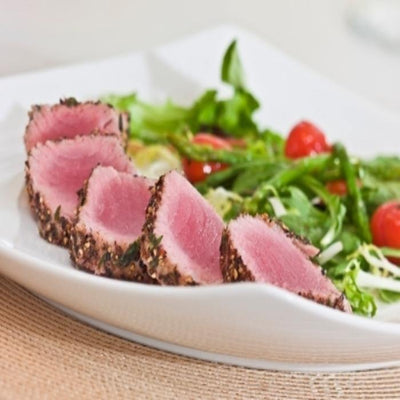
Seared Ahi, Pre-Sliced
Crusted in pepper and garlic, seared and sliced. Thaws in minutes, with no cooking needed.
Shop now →
King Crab Merus
The sweetest section of the leg, fully cooked and shell-free. Serve it chilled.
Shop now →
Chilean Sea Bass
Wild caught, rich and silky. Pan sear it for a restaurant-quality dinner.
Shop now →
Argentine Red Shrimp
Giant wild shrimp caught in deep water. Chefs say they're sweeter than lobster.
Shop now →Common questions
What is otoro?
Otoro is the fattiest cut of tuna, from the lower belly. It is heavily marbled, pale pink and prized in sushi for its buttery texture.
What's the difference between otoro and chutoro?
Both come from the belly. Otoro is the fattiest and richest part. Chutoro is medium fat and sits between the lean red akami and the otoro.
Is your tuna safe to eat raw?
Our toro and AAA yellowfin are sashimi grade and frozen at sea. Under FDA guidance, these tuna species don't require the extra parasite-control freezing that most other fish do. Keep them frozen until use, thaw in the refrigerator and eat within 1 to 2 days.
How should I thaw tuna for sashimi?
Keep it sealed and thaw it slowly in the refrigerator. Slice it while it is still very cold, against the grain, with a sharp knife. Never refreeze thawed fish.
Is frozen fish as good as fresh?
Fish frozen at sea within hours of the catch is often better than "fresh" fish that spent days in transit or was thawed for a display case.
Plan your sushi night
Toro supply is limited. Call or text us to check availability, or ask about fresh toro.