


How our steaks differ, what USDA grades mean and why aging matters.
A great steak comes down to three things: the cut, the marbling and how the beef was aged. Here is how to choose, whether you are grilling on a weeknight or planning a special dinner.
Our steaks, from most tender to most flavorful

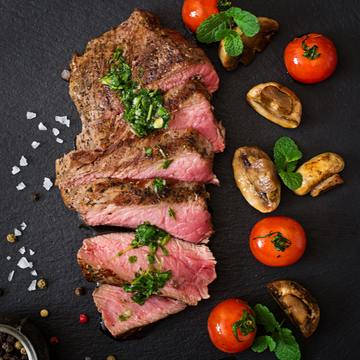
Spinalis (Ribeye Cap)
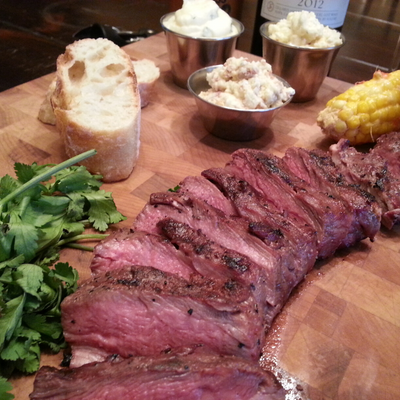
The outer cap of the ribeye and our #1 seller. As tender as a filet, with more flavor than a ribeye. Hard to find, and best at medium rare.
Shop now →
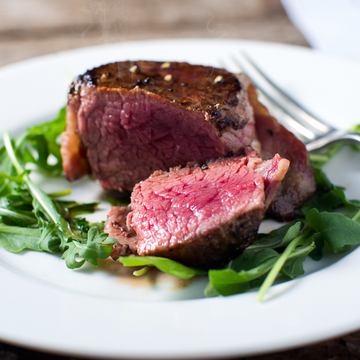
Filet Mignon
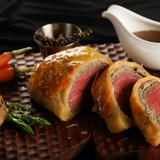
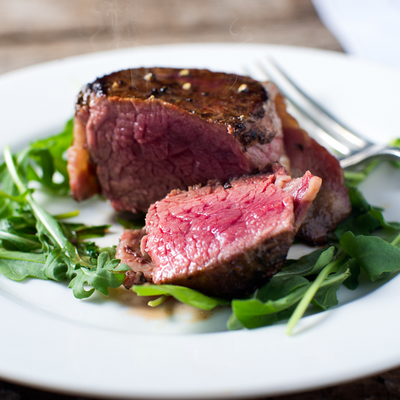
Cut from aged tenderloin and trimmed by hand. The most tender steak, with a mild, buttery flavor.
Shop now →
Ribeye Filet (Heart of the Rib)
The center "eye" of the ribeye, trimmed into a filet shape. A well-marbled alternative to filet mignon.
Shop now →
Ribeye Drop Cut
What's left when tomahawks are cut: heavily marbled, full of flavor and quick to thaw and cook. Butchers used to keep this one for themselves.
Shop now →
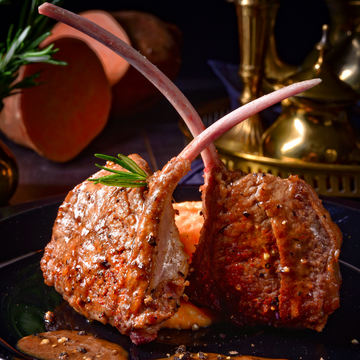
Tomahawk Ribeye
A thick bone-in ribeye with 10 to 12 inches of trimmed bone, cut to order. The showpiece steak for a big night.
Shop now →Bone-In Filet Bites
2.5 oz Choice+ tenderloin pieces on a small bone, four to a pack. They cook in about a minute per side.
Shop now →Compare the cuts
| Cut | Tenderness | Flavor & marbling | Best way to cook |
|---|---|---|---|
| Filet mignon | Pan sear, then finish in a 400°F oven | ||
| Spinalis | Hot grill (550–600°F), 3½–5 min per side | ||
| Ribeye filet | High heat, about 4 min per side, turned often | ||
| Drop cut ribeye | Very hot grill or pan, 90–120 sec per side | ||
| Tomahawk | Reverse sear, or grill then rest |
Bars show relative tenderness and marbling within our lineup.
Prime vs. Choice vs. Select
USDA grades are mostly about marbling, the white flecks of fat inside the muscle that melt as the steak cooks. More marbling usually means more flavor and juiciness.
USDA Prime
The highest grade, from young, well-fed cattle with abundant marbling. Mostly sold to restaurants and hotels.
USDA Choice (and Choice+)
High quality with a bit less marbling than Prime. Loin and rib steaks are tender, juicy and full of flavor. "Choice+" is a trade term for the upper end of Choice.
USDA Select
Leaner and more uniform, so it can lack some of the juiciness of higher grades. We don't use it for our steaks.
Why the cut matters as much as the grade: a spinalis or ribeye filet has more natural marbling than many cuts a grade higher. We choose each item for how it eats, not just the stamp on the box. Looking for a specific grade? Ask us.
Wet-aged vs. dry-aged
Wet aging
Beef is vacuum sealed and rests under refrigeration for weeks. Natural enzymes break down muscle fibers, making the steak more tender while keeping a clean, beefy flavor. Most high-end steakhouse beef is wet aged. Our filets come from aged tenderloin.
Dry aging
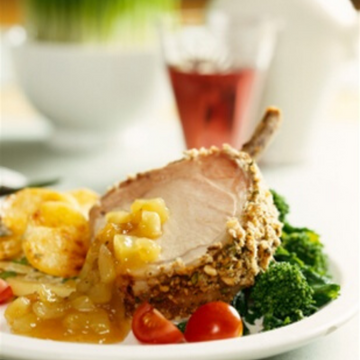
Meat rests uncovered in a controlled, cold, humid room. Moisture evaporates, which concentrates the flavor and gives it a nutty, savory depth. It costs more because some weight is lost and the outside is trimmed off. Try it in our dry-aged Duroc pork ribeye chop.
| Wet aged | Dry aged | |
|---|---|---|
| Flavor | Clean, beef-forward | Nutty, intense |
| Tenderness | Very tender | Very tender |
| Yield | Little loss | Loses weight |
| Price | $$ | $$$ |
Common questions
What is a spinalis steak?
The spinalis dorsi, or ribeye cap, is the curved muscle around the outside of the ribeye. It is the most marbled and tender part of the rib, and many chefs say it's the best bite of the steer. Each ribeye has only a small amount, which is why it's hard to find.
Is a spinalis the same as a ribeye cap steak?
Yes. Spinalis, ribeye cap and cap of ribeye are all names for the same muscle. We sell it trimmed into 8 oz steaks.
Which steak is the most tender?
Filet mignon is the most tender cut. The spinalis comes close and has much more flavor.
How do I cook a steak from frozen?
For best results, thaw steaks overnight in the refrigerator, then let them sit at room temperature for 20 to 30 minutes before cooking. See our steak doneness chart for target temperatures.
Can I order a cut that isn't on the website?
Yes. We have access to thousands of items, and fresh-cut steaks are available by special order in 24 to 48 hours. Call or text (678) 777-6081.
Ready to fire up the grill?
Shop our steaks or call us to build a custom order for your next dinner party.